


Request Your Audit
Fill out our simple form with your website and business details. No commitment required.
AI Search is Killing Traditional SEO...
Unlock Top Local Rankings: Dominate Google & AI Search with Schema Markup
What Is Schema Markup?
Schema markup is specialized code added to your website that translates your business information into a language search engines understand perfectly. It's like giving Google a detailed business card with your name, address, phone number, hours, services, and more.
Unlike traditional SEO that focuses on keywords, schema markup provides context about your business data, making it crystal clear to search algorithms what you offer and where you're located.
Schema markup is a critical component of complete local SEO strategy. While schema tells search engines what your content means, our local SEO services ensure you rank for the keywords that matter. Together, they create a powerful combination: schema markup helps you get featured in rich results, while local SEO builds the authority and content that keeps you ranking long-term.
27%
Ranking Boost
Average improvement in local search
rankings for businesses with complete
schema markup
4X
Visibility
Increased likelihood of appearing in
Google's Local Pack and Maps listings
38%
Click-Through Rate
Higher CTR for search results with rich
snippets enabled by schema
Google's algorithm heavily prioritizes structured data when determining which local businesses to showcase. With proper schema implementation, you're essentially giving Google exactly what it needs to confidently recommend your business to nearby searchers.
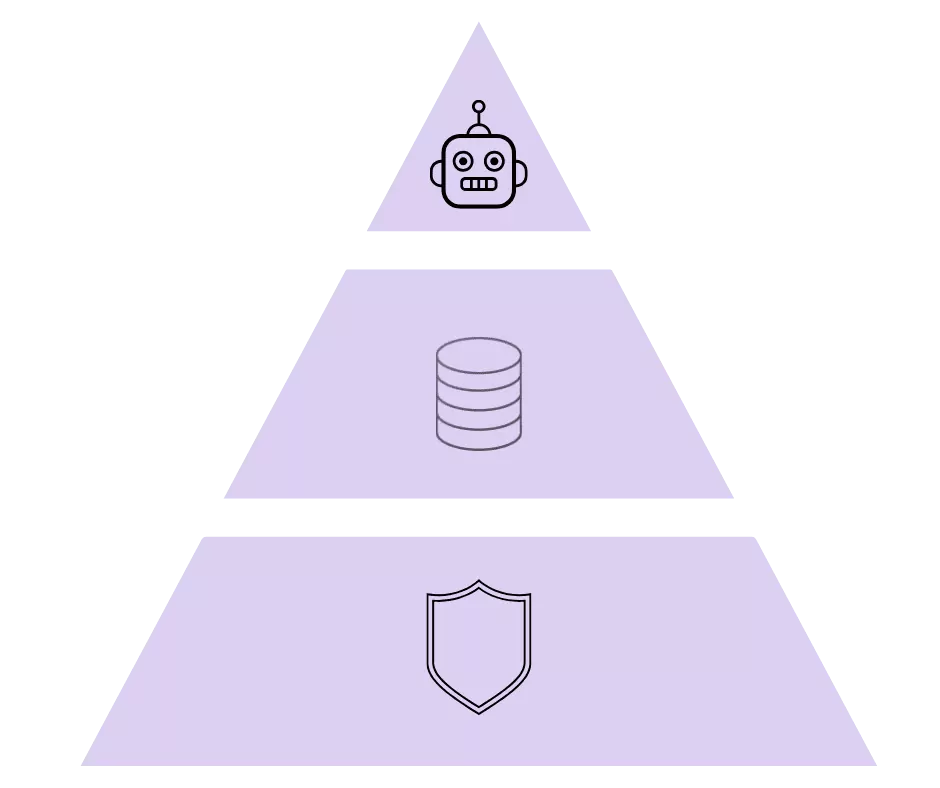
AI Search Domination
Stand out in AI-generated recommendations
Accurate Business Data
Ensure AI understands your services and location
Future Proof SEO
Stay relevant as search evolves toward AI
As AI-powered search engines like ChatGPT become mainstream, having proper schema markup ensures these systems accurately understand and represent your business, putting you ahead of competitors who haven't adapted.
Sarah's Bistro
"After implementing schema markup, our website traffic increased by 43% in just three months. We moved from page 2 to the top of local search results, and our reservation bookings have doubled."
Reliable Plumbing
"Our Google Maps ranking jumped from #7 to #2 in our service area. The phone hasn't stopped ringing since implementing schema markup. ROI has been incredible."
Bright Smile Dental
"New patient appointments increased 35% after optimizing our schema markup. We're now the first result when people ask ChatGPT for dentist recommendations in our area."
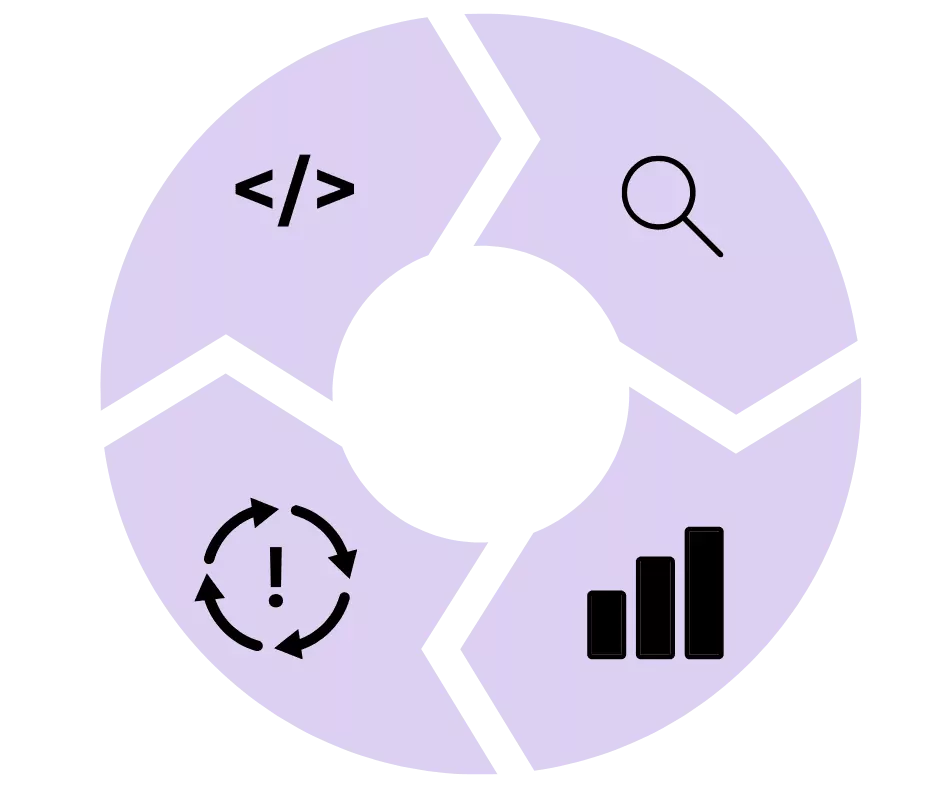
Implementation
Complete schema markup tailored to your specific business type
Optimization
Regular updates to stay ahead of algorithm changes
Testing
Verification using Google's structured data testing tools
Monitoring
Ongoing performance tracking and competitor analysis
Starting at just $299, our schema implementation packages ensure your business information is perfectly structured for maximum visibility in both traditional and AI-powered search results.
Schema markup is specialized code added to your website that translates your business information into a language search engines understand perfectly. Think of it as giving Google, ChatGPT, and other AI systems a detailed business card with your name, address, phone number, hours, services, customer reviews, and more-all in a structured format they can instantly process. Unlike traditional SEO that relies on keywords, schema markup provides explicit context about your business data, eliminating any guesswork for search algorithms.
For local businesses, schema markup is critical because it directly impacts your visibility in Google's Local Pack (the map with three business listings), Google Maps rankings, and increasingly, AI-powered search recommendations. When someone searches "best plumber near me" or asks ChatGPT "recommend a dentist in my area," businesses with proper schema markup are prioritized because search systems can confidently verify your location, services, and reputation. Without schema markup, you're essentially invisible to these systems-your competitors with structured data will always rank higher and get recommended first. The statistics are clear: businesses with complete schema markup see an average 27% improvement in local search rankings and are 4 times more likely to appear in Google's coveted Local Pack results.
Professional schema markup implementation for local businesses starts at $299 and varies based on your business complexity and needs. At GSD Local, our starting package includes complete schema markup tailored to your specific business type (restaurant, dental practice, plumbing company, law firm, etc.), implementation on your website, verification using Google's structured data testing tools, and initial performance monitoring. This baseline service ensures your business appears correctly in Google search results and AI-powered platforms like ChatGPT.
For businesses with multiple locations, extensive service catalogs, or complex offerings, pricing typically ranges from $500 to $2,000. These comprehensive packages include multi-location schema setup, review schema implementation, FAQ markup, service-specific structured data, and ongoing optimization to stay ahead of algorithm changes. We also offer monthly maintenance packages ($99-$199/month) that include regular updates, competitor analysis, and continuous optimization as Google's requirements evolve. The investment pays for itself quickly-our clients typically see a 35-43% increase in website traffic within three months, with significantly higher conversion rates due to improved visibility in local search results. When you consider that one new customer often covers the entire implementation cost, the ROI becomes obvious.
Schema markup and traditional SEO are complementary strategies that work together, but they serve fundamentally different purposes. Traditional SEO focuses on optimizing content with keywords, building backlinks, improving page speed, and creating quality content to help your website rank higher in search results. It's about making your site attractive to search engines through relevance signals and authority indicators. Schema markup, on the other hand, is about clarity and explicit communication-it tells search engines exactly what your content means, removing all ambiguity from your business information.
Think of it this way: traditional SEO is like writing a great resume, while schema markup is like filling out a standardized application form that employers (search engines) can instantly process. Both are necessary, but schema markup ensures nothing gets misunderstood. For example, traditional SEO might help Google find your phone number on your website, but schema markup explicitly labels it as a phone number, ensures it's formatted correctly, and connects it to your business entity. This is crucial for local businesses because Google needs absolute certainty about your NAP (Name, Address, Phone) data before displaying you in local results.
The real difference becomes apparent with AI-powered search. When someone asks ChatGPT or Claude to recommend a local business, these AI systems rely heavily on structured data to provide accurate recommendations. Traditional SEO content alone isn't enough-AI needs the explicit structure that schema markup provides. That's why businesses investing only in traditional SEO are increasingly invisible to AI search, while those with proper schema implementation are getting discovered and recommended by both Google and AI platforms. You need both strategies, but in 2024 and beyond, schema markup is becoming the more critical investment for local visibility.
AI-powered search engines like ChatGPT, Claude, Perplexity, and Google's AI Overview rely on structured data to identify and recommend local businesses with confidence. When someone asks ChatGPT "who's the best dentist in Wenatchee" or "recommend a reliable plumber near me," the AI system searches for businesses with clear, structured information it can verify-and that's exactly what schema markup provides. Without schema, AI has to guess about your business details by parsing unstructured content, which often leads to errors or simply being overlooked in favor of competitors with proper markup.
Schema markup works for AI discovery by creating a standardized, machine-readable profile of your business that includes your exact location coordinates, service offerings, business hours, contact information, customer reviews, and areas served. AI systems can instantly process this structured data to match businesses with user queries. For example, when your restaurant has proper schema markup including menu items, price ranges, cuisine type, and geographic coordinates, AI can confidently recommend you when someone asks for "Italian restaurants under $30 near downtown." Without schema, the AI might miss you entirely even if your website content mentions these details-because unstructured content is harder for AI to parse accurately.
The statistics on AI search adoption make this critical: over 40% of internet searches now involve AI platforms, and that number is growing rapidly. Businesses appearing in ChatGPT recommendations report 30-50% increases in direct traffic and phone inquiries. Our client Bright Smile Dental saw a 35% increase in new patient appointments specifically from being the top recommendation when potential patients asked ChatGPT for dentist suggestions in their area. As AI search continues to replace traditional Google searches, having proper schema markup isn't optional-it's the difference between being discovered or being invisible to the fastest-growing search channel.
Different business types require different schema markup implementations to maximize visibility. Restaurants should implement LocalBusiness schema with Restaurant subtype, Menu schema for food offerings, Review schema for customer ratings, and OpeningHours schema for accurate availability information. Adding AggregateRating schema displays your star ratings directly in search results, while Offer schema can highlight special deals or promotions. Restaurant schema is particularly important for Google Maps visibility and AI recommendations when people search for dining options.
Dental practices and medical professionals need LocalBusiness schema with Dentist or MedicalBusiness subtypes, Physician schema for individual practitioners, Service schema for procedures offered (cleanings, orthodontics, cosmetic dentistry), and Review schema to showcase patient satisfaction. Medical schema is crucial because Google has strict requirements for health-related businesses-proper markup ensures you meet these standards and appear in health-specific search features. Many dental practices also benefit from FAQ schema answering common patient questions, which can appear directly in search results.
Home service businesses (plumbing, HVAC, electrical, landscaping) should use LocalBusiness schema with HomeAndConstructionBusiness subtypes, Service schema detailing specific services offered, areaServed schema defining your service radius, and PriceRange schema to set customer expectations. Adding Review schema with customer testimonials significantly improves local pack rankings. Emergency service businesses should also include 24-hour availability in their schema markup. Home service schema is especially valuable because it helps you appear when people search for urgent needs like "emergency plumber near me" or ask AI systems for immediate service recommendations.
Across all business types, you should also implement Organization schema for your overall business entity, WebSite schema for your homepage, WebPage schema for individual pages, and BreadcrumbList schema for site navigation. This comprehensive approach ensures maximum visibility across all search platforms-traditional Google results, Google Maps, AI-powered search, and voice assistants. At GSD Local, we customize schema markup packages specifically for your business type, ensuring you get all the relevant schema types without paying for unnecessary implementations.
Most businesses start seeing initial results from schema markup within 2-4 weeks, with full impact becoming apparent within 3 months. The timeline breaks down into several phases: In the first 1-2 weeks after implementation, Google's crawlers will discover and index your new structured data. During this phase, you'll see your business start appearing with enhanced information in search results—things like star ratings, business hours, and service lists displayed directly in your search listing. These rich snippets typically appear within 7-10 days of proper implementation and validation.
By weeks 3-6, you'll notice improved rankings in local search results as Google gains confidence in your business information. This is when many businesses see their Google Maps ranking jump significantly. For example, our client Reliable Plumbing went from position #7 to #2 in their service area within the first month. The improvement happens because schema markup eliminates any uncertainty Google has about your business details, making it more confident about displaying you prominently. You'll also start appearing in more "near me" searches and voice search results during this phase.
The 3-month mark is when the compound effects really kick in. By this point, you've typically accumulated more reviews (which are now displaying in search results thanks to review schema), your click-through rates have improved due to rich snippets attracting more attention, and Google has fully integrated your structured data into its local search algorithms. Our clients average a 43% increase in website traffic and 27% improvement in local search rankings by month three. For AI-powered search results, the timeline is similar-once ChatGPT, Claude, and other AI systems index your properly structured data, they begin recommending your business when users ask for local services in your category.
One important note: these results assume correct implementation. Improperly implemented schema markup can actually hurt your visibility if Google detects errors or spam attempts. That's why working with experienced professionals who validate and test all schema implementations is crucial-you need it done right the first time to avoid delays or penalties.
Technically, yes, you can implement schema markup yourself using Google's Structured Data Markup Helper or by writing JSON-LD code manually-but the complexity and risk of errors make professional implementation highly recommended for most businesses. Schema markup requires understanding JSON-LD syntax, knowing which schema types apply to your specific business, correctly formatting all properties, implementing the code in the right location on your website, and then validating everything using Google's testing tools. Even small errors in formatting or structure can prevent your schema from working properly, and Google won't tell you exactly what's wrong-you'll just be invisible in enhanced search features.
The bigger challenge is knowing what to include. For example, a dental practice needs more than just basic LocalBusiness schema-you need Dentist schema for the practice, Person schema for each dentist with their credentials, Service schema for each procedure, Review schema properly formatted to display star ratings, FAQ schema for common patient questions, and OpeningHoursSpecification that accounts for different hours across multiple locations if applicable. Missing any of these components means missing opportunities for visibility. We regularly audit websites where business owners attempted DIY schema implementation and find critical gaps that were costing them rankings and traffic.
Professional implementation also includes ongoing maintenance, which DIY efforts typically miss. Google updates its structured data requirements regularly, and schema.org (the organization that defines schema standards) releases new schema types and properties frequently. What works today might need updates in six months. Professional services include monitoring these changes and updating your schema accordingly. Additionally, professionals test your schema across multiple platforms-not just Google's validator, but also testing how it appears in actual search results, how AI systems interpret it, and how it performs on mobile versus desktop.
That said, if you have technical expertise, strong attention to detail, and time to learn the intricacies of schema implementation, DIY is possible. Just be prepared to invest 10-20 hours learning the system, implementing the code, troubleshooting errors, and testing across platforms. For most business owners, paying $299-$500 for professional implementation that's guaranteed to work correctly is far more cost-effective than spending days trying to figure it out yourself and potentially getting it wrong. The ROI calculation is simple: would you rather spend 20 hours learning schema markup, or spend those 20 hours serving customers while an expert handles the technical implementation?
These are three different ways your business can appear in search results, and schema markup is critical for all three. Rich snippets are enhanced search results that display additional information beyond just a title and description-things like star ratings, business hours, pricing, availability, and images. When you search for a restaurant, the results showing star ratings, price range ($$), and cuisine type are rich snippets. Schema markup is what enables these enhanced displays. Businesses with rich snippets get 38% higher click-through rates on average because the additional information makes listings more attractive and informative.
Google Local Pack is the map-based results that appear at the top of local searches, showing three businesses with a map. For example, search "dentist near me" and you'll see a map with three dental offices marked. Getting into the Local Pack is the holy grail of local SEO because these three positions capture the majority of clicks for local searches. Schema markup significantly improves your Local Pack rankings by giving Google perfect clarity about your location, services, business hours, and reputation. Businesses with complete schema markup are 4X more likely to appear in Local Pack results compared to those without proper structured data.
AI search refers to recommendations from AI-powered platforms like ChatGPT, Claude, Perplexity, and Google's AI Overview feature. When someone asks these systems "recommend a good plumber in Seattle" or "what's the best Italian restaurant in my area," the AI searches for businesses with clear, structured information it can verify. Without schema markup, AI systems struggle to understand your business and simply won't recommend you-even if you have great reviews and a beautiful website. AI relies on structured data to make confident recommendations, which is why our client Bright Smile Dental saw a 35% increase in new patients specifically from appearing in ChatGPT recommendations after implementing proper schema markup.
The key insight is that all three search features are increasingly dominated by businesses with proper schema implementation. Traditional SEO (keywords, content, backlinks) might get you on page one, but schema markup gets you featured prominently at the top of search results, in the Local Pack, and recommended by AI systems. As search evolves toward more visual displays and AI-powered recommendations, having comprehensive schema markup isn't just beneficial-it's becoming mandatory for visibility. That's why forward-thinking businesses are implementing schema now, before their competitors catch on and make it even harder to stand out.
Enter Your Website
We'll analyze your current schema implementation and identify critical gaps.
Business Details
Tell us about your industry and location to provide tailored recommendations.
Contact Information
Receive your personalized audit report directly to your inbox within 48 hours.
Click the Submit button to secure your competitive edge in both traditional and AI-powered search results.
GSD Local
130 11th St NE
East Wenatchee, WA 98802
(509)-433-7730
© 2025 GSD Local
Don't Forget to Share This Post!